

16 July, 2025
Treasury automation revolution: how AI is transforming corporate cash management
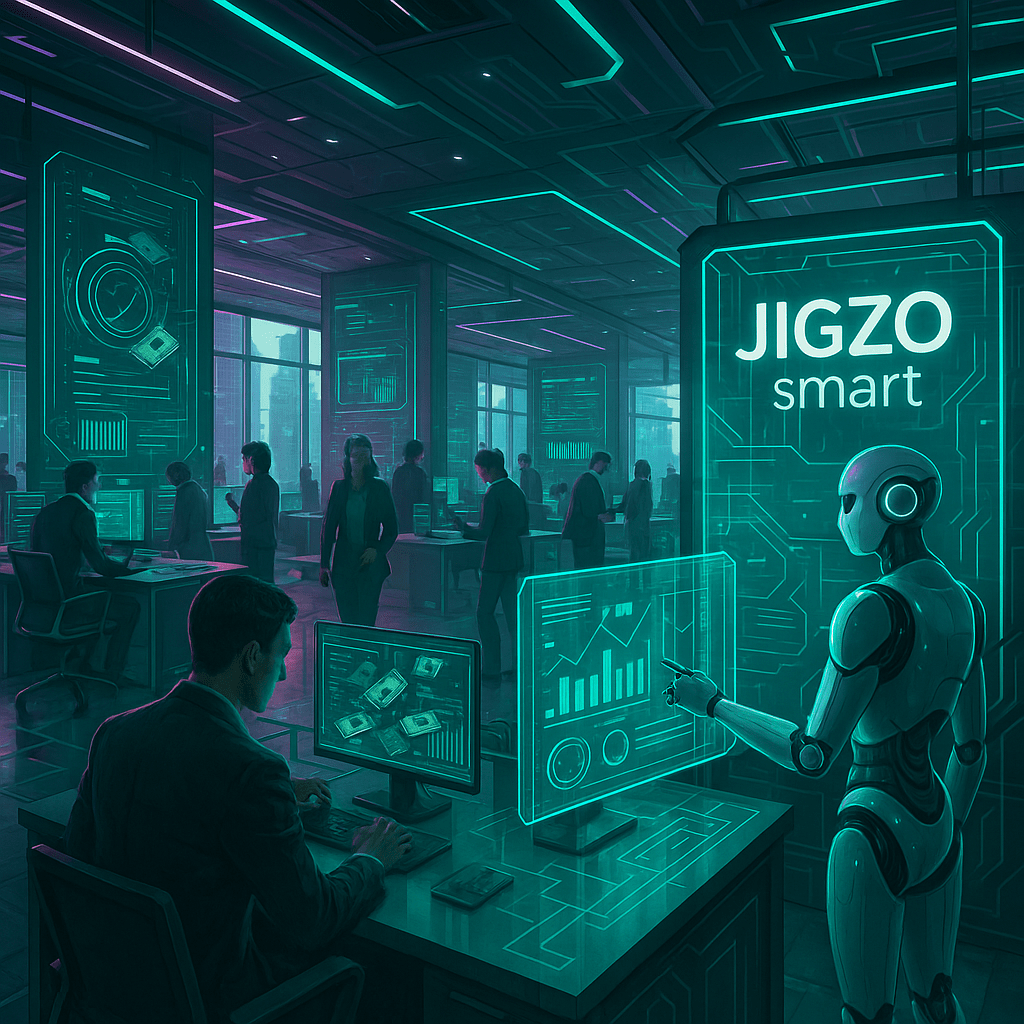
The dawn of intelligent treasury management
The corporate treasury function is experiencing its most significant transformation in decades, driven by artificial intelligence technologies that are fundamentally changing how businesses manage cash, liquidity, and financial risk. Modern AI-powered treasury systems are moving beyond simple automation to deliver intelligent decision-making capabilities that can process vast amounts of financial data, predict cash flow patterns, and execute complex treasury operations with minimal human intervention. This evolution represents a paradigm shift from reactive treasury management to proactive, predictive financial stewardship that enhances both operational efficiency and strategic decision-making.
Real-time cash visibility and forecasting
AI-driven treasury platforms provide unprecedented visibility into cash positions across multiple accounts, currencies, and jurisdictions, enabling treasury managers to make informed decisions based on real-time data rather than historical reports. Advanced machine learning algorithms analyse transaction patterns, seasonal variations, and business cycles to generate highly accurate cash flow forecasts that extend weeks or months into the future. These predictive capabilities enable businesses to optimise their cash positioning, reduce idle balances, and ensure adequate liquidity for operational needs whilst maximising investment returns on surplus funds.
Automated risk management and compliance
Modern treasury automation systems incorporate sophisticated risk management frameworks that continuously monitor market conditions, counterparty exposures, and regulatory requirements to ensure compliance with internal policies and external regulations. AI algorithms can automatically execute hedging strategies, rebalance investment portfolios, and adjust risk exposures based on predefined parameters and market conditions. This automated approach to risk management reduces the potential for human error whilst ensuring consistent application of risk management policies across all treasury operations, regardless of market volatility or operational complexity.
Intelligent payment optimisation and execution
AI-powered treasury systems optimise payment timing, routing, and execution to minimise costs whilst maximising operational efficiency and maintaining strong supplier relationships. Machine learning algorithms analyse payment patterns, bank fees, foreign exchange rates, and settlement times to determine the most cost-effective payment methods and timing for each transaction. These systems can automatically execute payments, manage payment approvals, and provide real-time status updates to stakeholders, significantly reducing the administrative burden on treasury teams whilst improving payment accuracy and efficiency.
Enhanced decision-making through predictive analytics
The integration of AI into treasury operations provides finance leaders with powerful analytical tools that can identify trends, predict outcomes, and recommend optimal strategies for cash management, investment, and risk mitigation. Advanced analytics platforms can simulate various scenarios, assess the impact of different strategic decisions, and provide data-driven recommendations that support both short-term operational needs and long-term strategic objectives. This analytical capability transforms treasury management from a primarily operational function to a strategic business partner that contributes directly to organisational success and competitive advantage.
Implementation strategies for treasury transformation
Successful implementation of AI-powered treasury automation requires careful planning, stakeholder engagement, and a phased approach that addresses both technological and organisational challenges. Businesses should begin by assessing their current treasury processes, identifying automation opportunities, and establishing clear objectives for their treasury transformation initiative. The implementation process should include comprehensive staff training, robust testing procedures, and ongoing monitoring to ensure that automated systems deliver expected benefits whilst maintaining appropriate controls and oversight. Regular evaluation and optimisation of automated processes ensures that treasury operations continue to evolve and improve as business needs and market conditions change.
The treasury automation revolution represents more than a technological upgrade—it represents a fundamental shift towards intelligent, data-driven financial management that enhances both operational efficiency and strategic value creation. Organisations that embrace AI-powered treasury automation will be well-positioned to achieve superior cash management performance whilst reducing operational risks and costs in an increasingly complex financial environment.